 Public
Exploring the psychology behind casino game choices What influences…
The Role of Emotions in Gambling Decisions
Emotions play a critical role in influencing choices made at casinos. The thrill of the game often elevates excitement, which can lead to impulsive betting. When players are feeling optimistic, they may be more willing to take risks, choosing games that are perceived as more volatile or with higher stakes. This emotional state can create a cycle where wins feed into further betting behavior, sustaining the adrenaline rush. Moreover, visiting this site can provide interesting frameworks for understanding these emotional influences in various contexts.
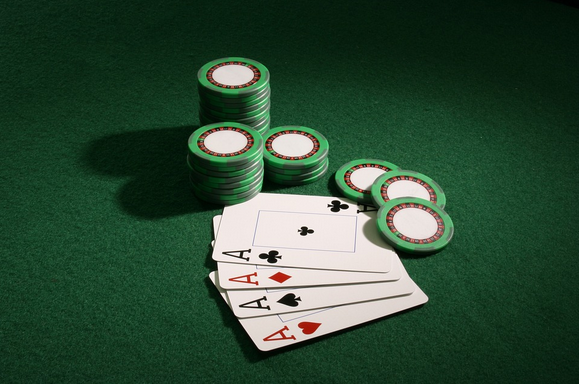
Conversely, negative emotions such as stress or sadness can drive individuals towards gambling as a form of escapism. This can lead to selections of games that promise quick results, such as slot machines, where the outcome is immediate. Understanding how emotions dictate game choice can illuminate why players gravitate towards certain games over others. In particular, the insights shared in discussions about Unknown can be quite illuminating.
The Impact of Cognitive Biases on Game Selection
Cognitive biases significantly influence the choices players make in casinos. One common bias is the illusion of control; players often believe they have influence over outcomes in games of chance. This belief may lead individuals to favor interactive games, like blackjack or poker, where skill is perceived to play a role in winning. In these scenarios, the player may feel more engaged and responsible for their fate.
Moreover, the ‘gambler’s fallacy’ can affect bets as well. This bias leads players to think that past outcomes will influence future results, such as believing that a slot machine is “due” for a payout after a streak of losses. This misperception can drive repeated engagement with particular games, regardless of their actual odds.
The Influence of Social Factors on Game Choice
Social dynamics heavily impact gambling decisions. Many players are influenced by peers, whether through direct encouragement or shared experiences in-game environments. This social aspect can lead to preferences for games that are more communal, like poker, allowing players to interact with one another while competing.
Additionally, the presence of promotions or group activities can sway choices. Casinos often create social events that encourage specific game participation. When players see others enjoying themselves, it may spur additional interest, creating a sense of belonging that enhances their gaming experience.
The Role of Marketing and Casino Environment
The marketing strategies employed by casinos significantly shape player choices. Attractive bonuses, themed games, and immersive environments can entice players towards certain games. The way games are presented—through visuals, sounds, and overall ambiance—can influence perceptions of excitement and potential rewards.
Furthermore, the arrangement of gaming machines and tables can affect player behavior. Casinos design spaces to promote peak engagement, often placing high-stakes games in prominent locations to draw in players. The psychological tactics used to entice players underscore the role of environment in shaping gambling habits.
Understanding Gambling Behavior through Research
Research into the psychology of gambling reveals profound insights into how and why people make certain game choices. Several studies have explored the interplay between emotional, cognitive, and social influences. By examining patterns in betting behavior, researchers can formulate strategies for responsible gambling and improve player experiences.
The findings from these studies can inform casino management practices, ensuring that environments promote engagement while also considering the psychological well-being of players. Understanding these dynamics allows stakeholders to create more responsible gaming policies that align with player motivations and behaviors.
